
In today’s digital world, your website is often the first point of contact for potential patients. A well-designed site creates a solid first impression, while a poorly executed one can cause visitors to leave, costing your practice valuable revenue. Many healthcare providers may need to realize the significant income they lose due to avoidable design flaws. With patients relying heavily on online research, an intuitive, user-friendly site is crucial in converting visitors into clients. Effective dental marketing plays a critical role here, as it ensures your website attracts potential patients and guides them seamlessly through their journey. This article explores common website design mistakes that could hurt your practice’s success and how to avoid them.
Poor Mobile Optimization
In today’s mobile-driven world, having a website that isn’t optimized for mobile devices is a significant mistake. A large percentage of users access healthcare websites on smartphones or tablets. Patients will likely leave out of frustration if your site doesn’t load quickly or adapt to smaller screens. A mobile-friendly design ensures easy navigation and quick access to crucial information, like contact details and services, improving the user experience and increasing conversion rates.
Complicated Navigation
A cluttered or confusing navigation menu can overwhelm visitors. If potential patients can’t quickly find the information they’re looking for—whether it’s your contact details, services, or appointment booking—they will likely leave the site. Make sure your navigation is intuitive and structured clearly. A simple menu with straightforward options allows users to browse without confusion and helps guide them toward booking an appointment.
Slow Load Times

The modern web user expects fast results. A website that takes too long to load can frustrate users and drive them away before they even explore your services. According to research, even a delay of just a few seconds can lead to significant drop-offs. Optimizing your website for speed—compressing images, using faster hosting, and minimizing unnecessary plugins—can significantly improve the user experience and keep visitors engaged long enough to become patients.
Lack of Clear Calls to Action (CTAs)
Your website needs to guide visitors toward specific actions, whether scheduling an appointment, filling out a contact form, or calling your office. Websites with clear, strategically placed calls to action (CTAs) gain valuable opportunities to convert visitors into patients. Ensure your CTAs are easy to find and compelling enough to encourage action. Phrases like “Book Now” or “Schedule a Consultation” should be prominent and immediately visible.
Outdated or Unprofessional Design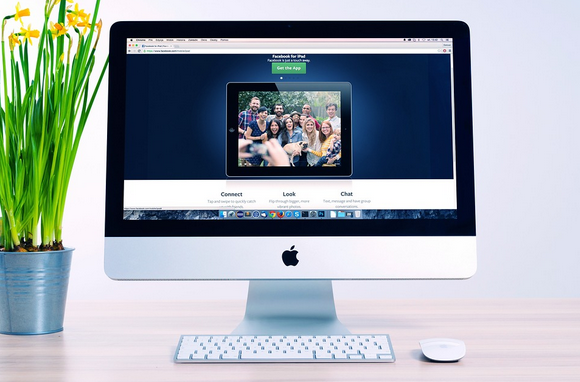
An outdated website reflects poorly on your practice, suggesting that your services might also be outdated. A modern, professional design establishes trust and credibility. If your website looks old-fashioned or amateurish, it can leave potential patients wondering about the quality of your practice. Regularly updating your site’s design to reflect the latest trends in both aesthetics and functionality is essential for maintaining a professional image.
Your practice’s website is more than just a digital brochure—it’s a crucial tool for converting potential patients into actual clients. Avoiding these common mistakes—poor mobile optimization, complicated navigation, slow load times, unclear CTAs, and outdated design—can significantly improve your user experience and ultimately boost your revenue. By prioritizing a well-designed, user-friendly site, you’ll ensure that your digital presence works as an asset, helping your practice grow and thrive in a competitive landscape.…
More .... Common Website Design Mistakes That Are Costing Your Practice Revenue



 The holidays are the perfect time for small businesses to show off their festive decorations on social media. Share images of your store decorated for the season, or post holiday snaps from around town. Make sure all your marketing channels have a holiday-themed image and message so customers know you’re ready for them when it’s the gift-giving season. Not only does this visually show customers that you’re in the Christmas mood, but it also puts your marketing channels in top-of-mind awareness for potential shoppers.
 Did you know that customers are more likely to buy if their shopping experience is seamless across multiple marketing channels? Make sure your marketing campaigns are optimized for online and offline experiences, so customers can access discounts regardless of the channel they use. It’ll also be wonderful if your website is mobile-friendly, as many customers shop from a mobile device during the holiday season.


 Pay Per Click (PPC) campaigns play an essential role in SEO. While marketers use PPC advertisements for various reasons, the main ones range from improving online visibility, lead identification, growing the volume of traffic, and improving conversion rates. Ideally, PPC campaigns are more or less a growth strategy for any business.
 The fact that the human brain tends to accept images rather than the alphabets has been a scientific fact that those online marketers rely on. These people are fully aware of the fact and come up with a new strategy that involves the use of images. A balanced composition is also a vital part of the whole content as it holds the key to the quality of the arrangements. Many have even experimented further by adding some linguistic links to the content to add more meaning to the images. This way, the messages will be appropriately conveyed to the targeted audience.